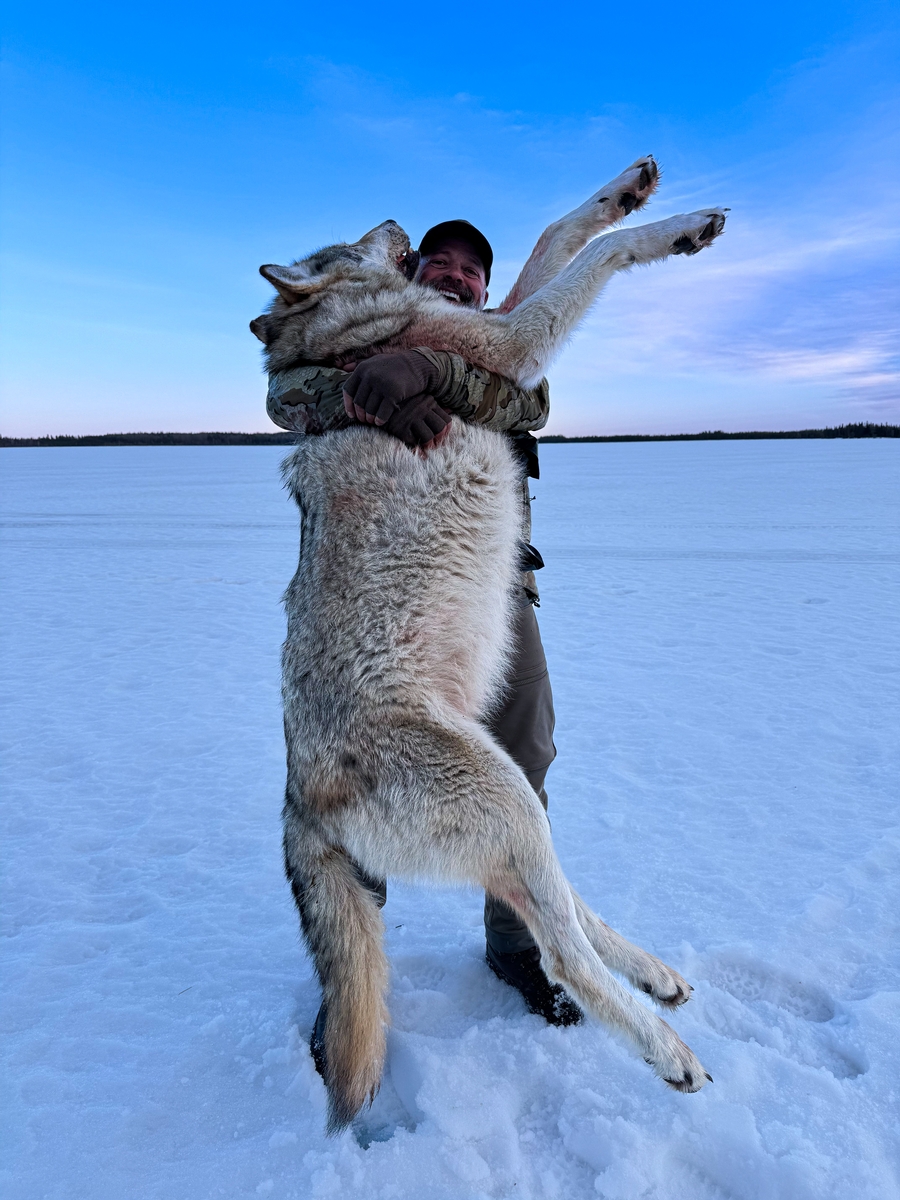
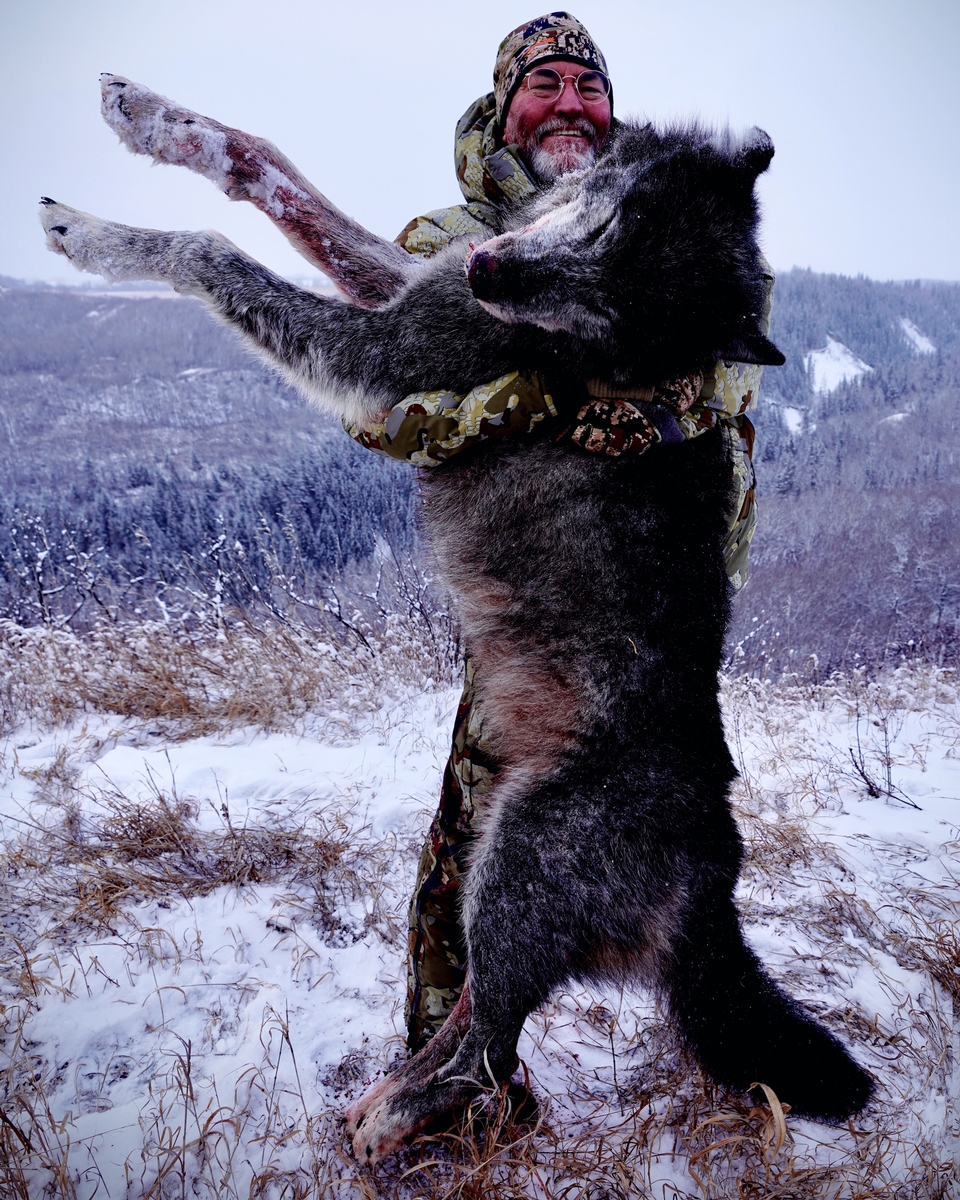
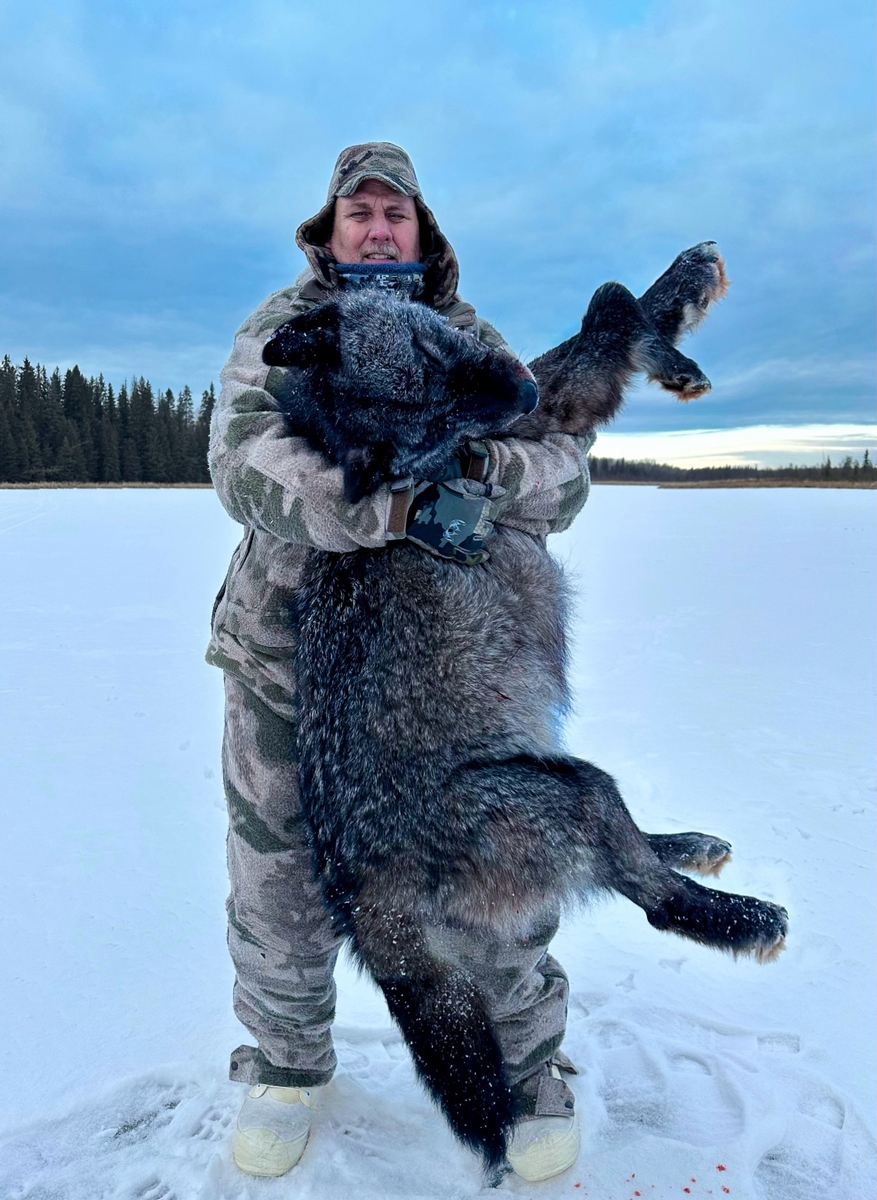
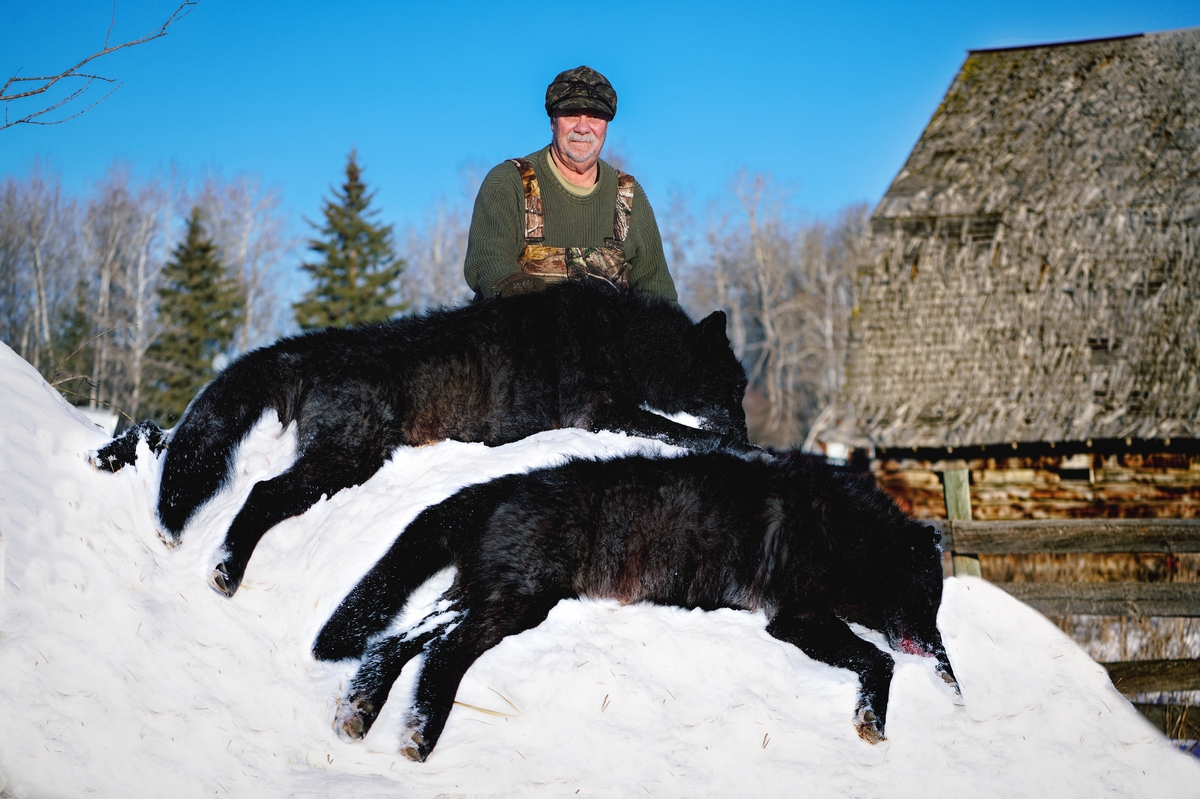
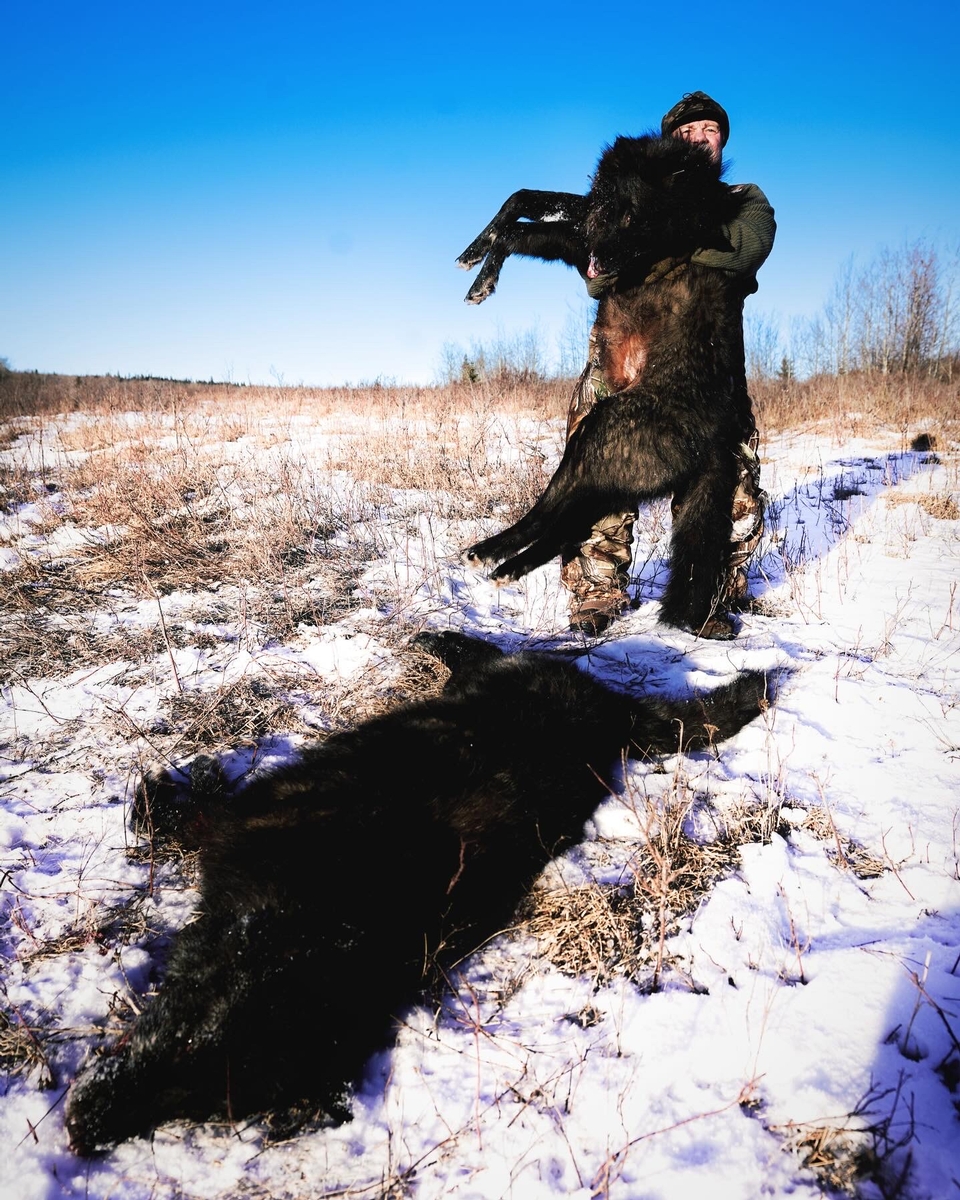
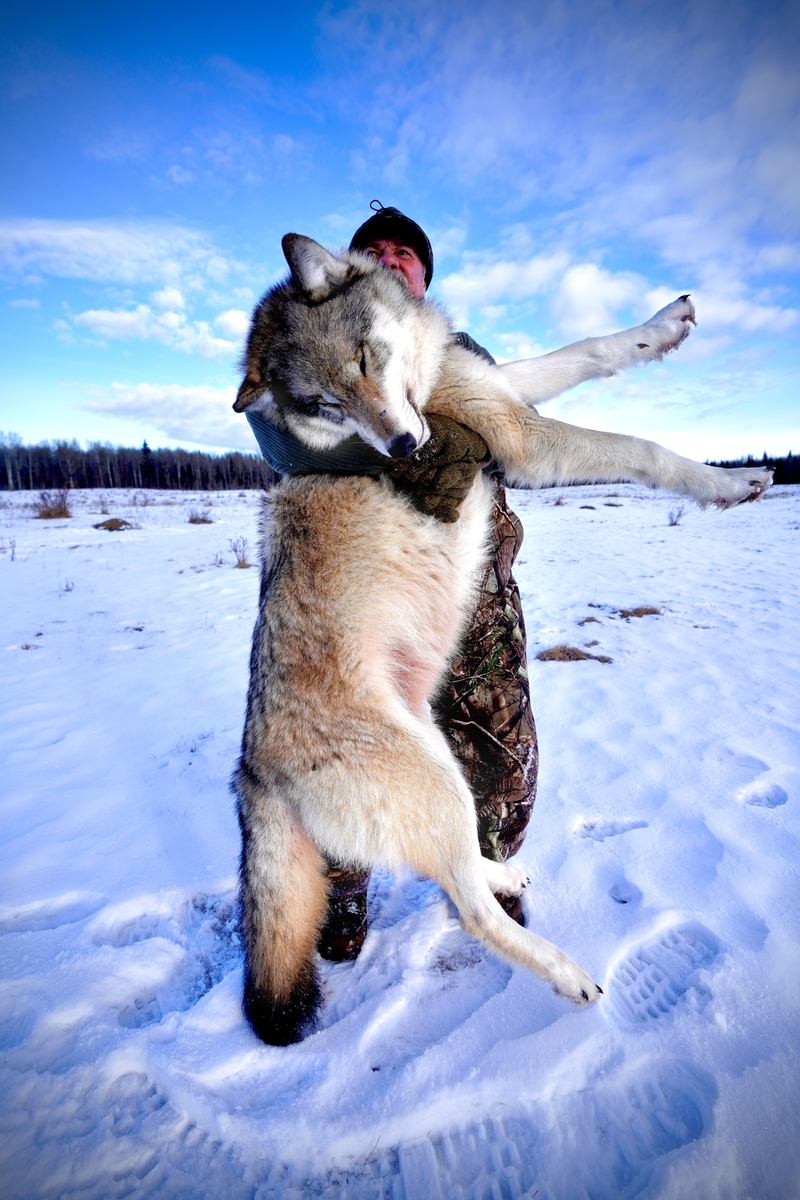
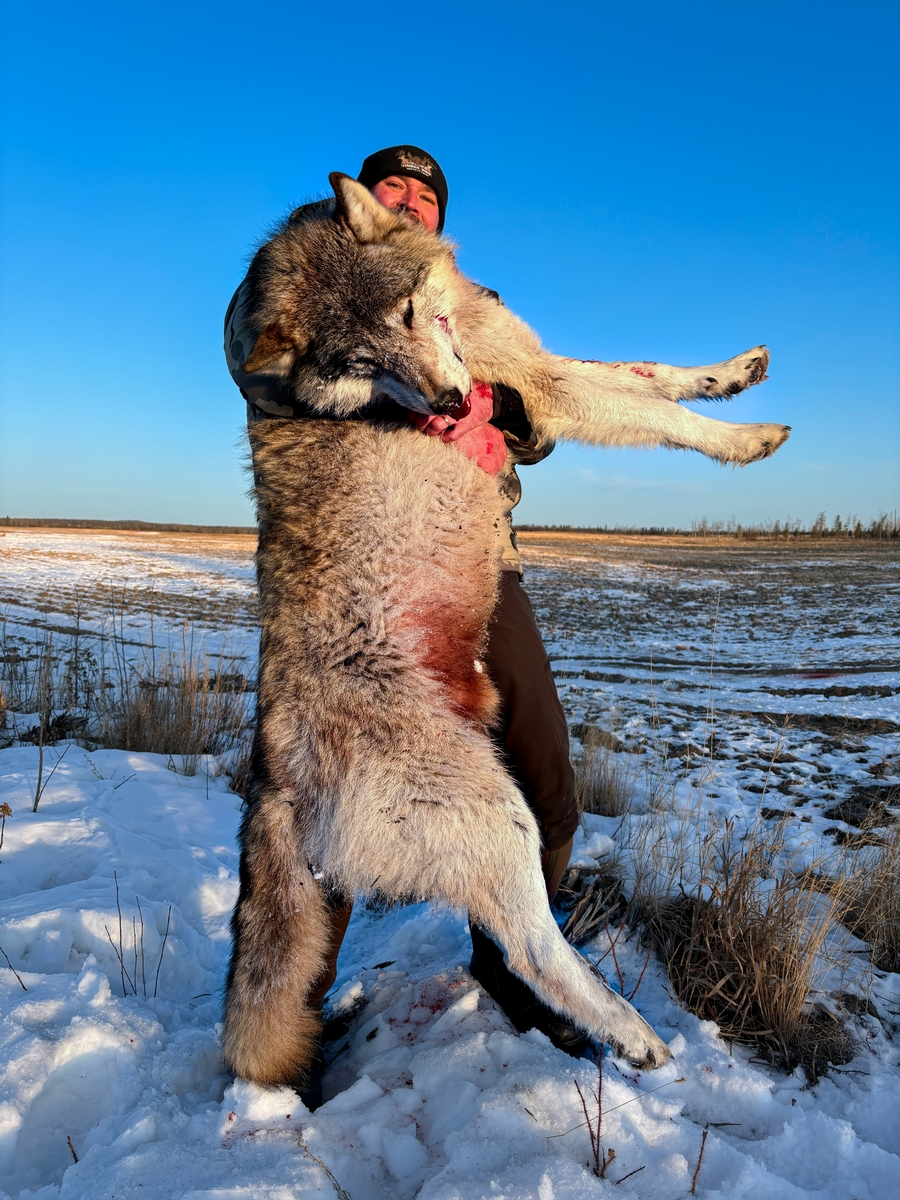
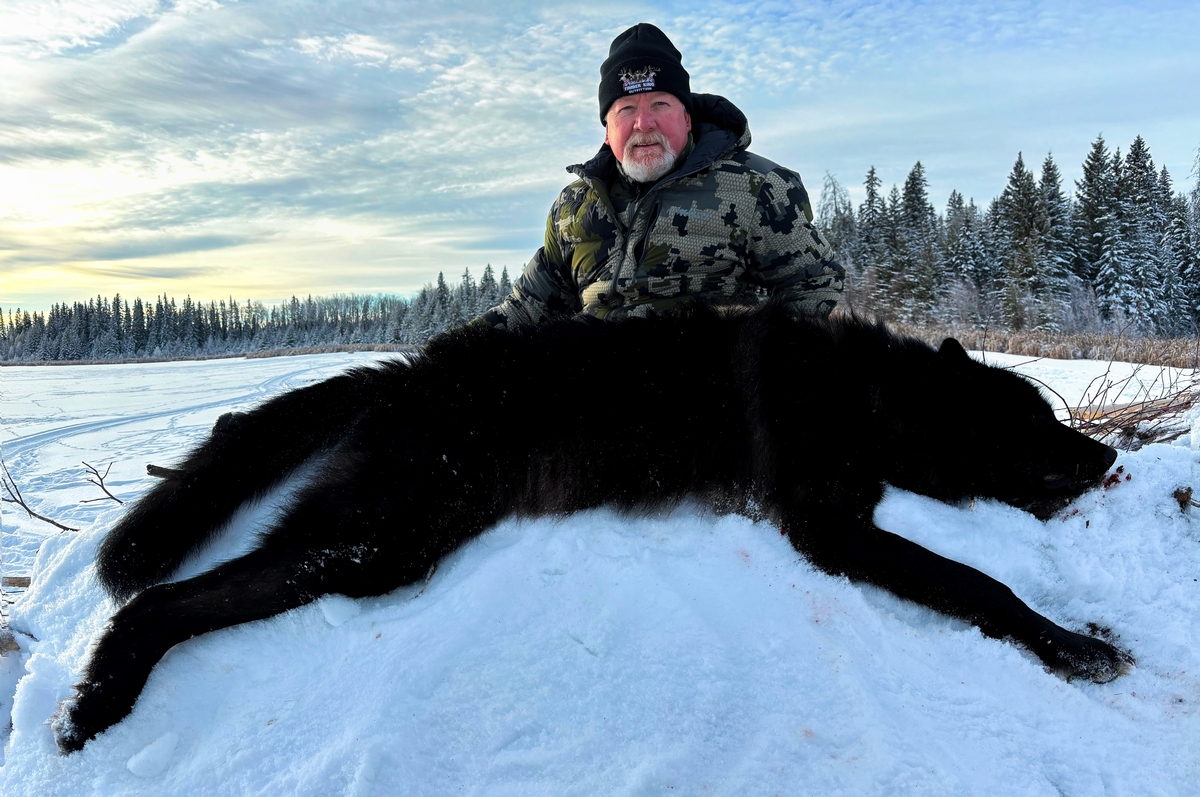
Wolf hunting is one of the most exciting and challenging predator hunts available anywhere in the world. Canadian grey wolves are incredibly intelligent animals that travel large territories and rarely make mistakes. Because of this, harvesting a mature wolf is something many hunters consider one of the most rewarding accomplishments in predator hunting.
We offer guided wolf hunts in the remote wilderness of northern Canada, where strong wolf populations continue to thrive. Our hunts take place in Alberta’s northern boreal region, an area known for producing consistent wolf activity and offering hunters a true wilderness experience.
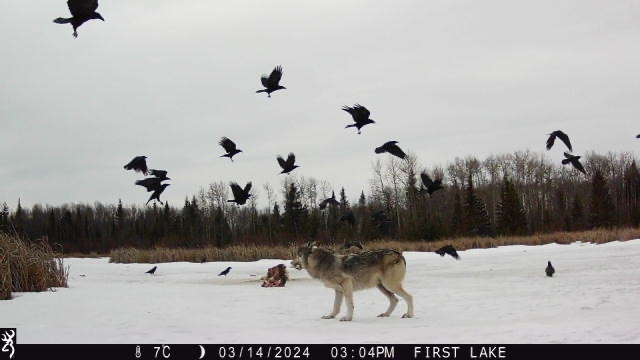
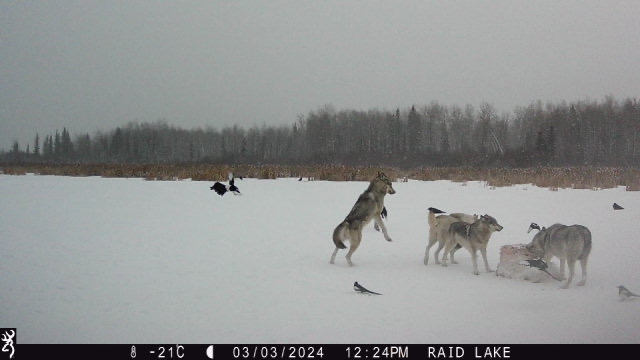
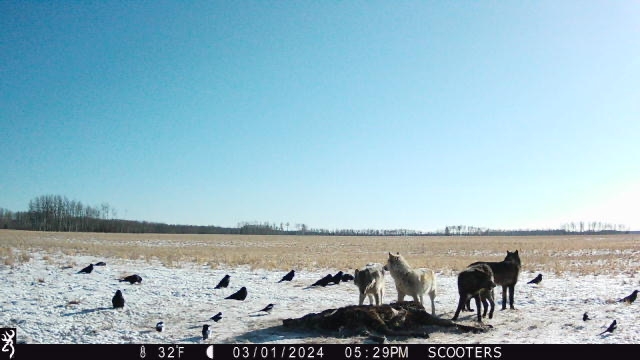
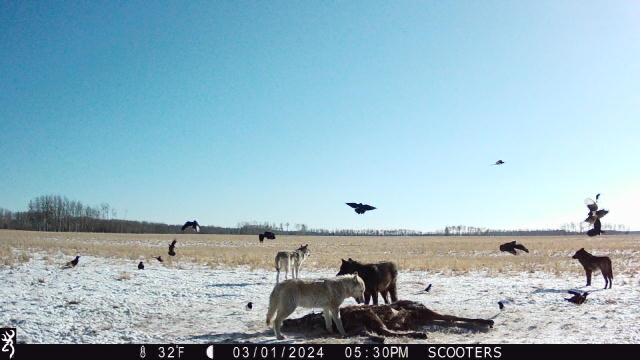
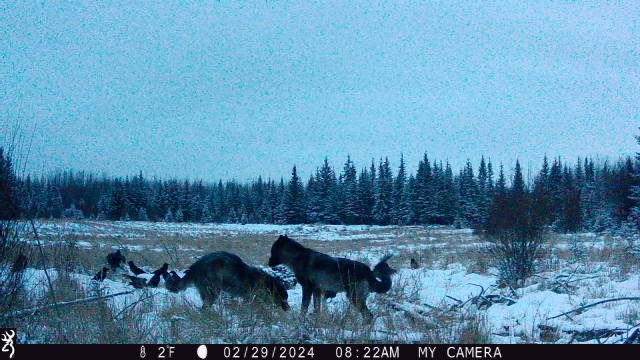
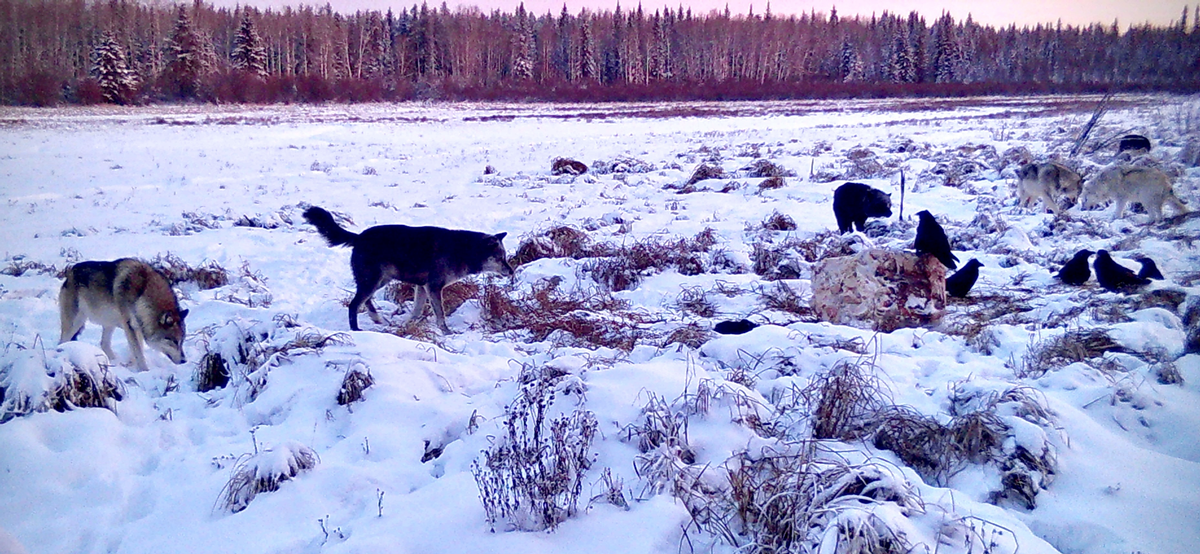
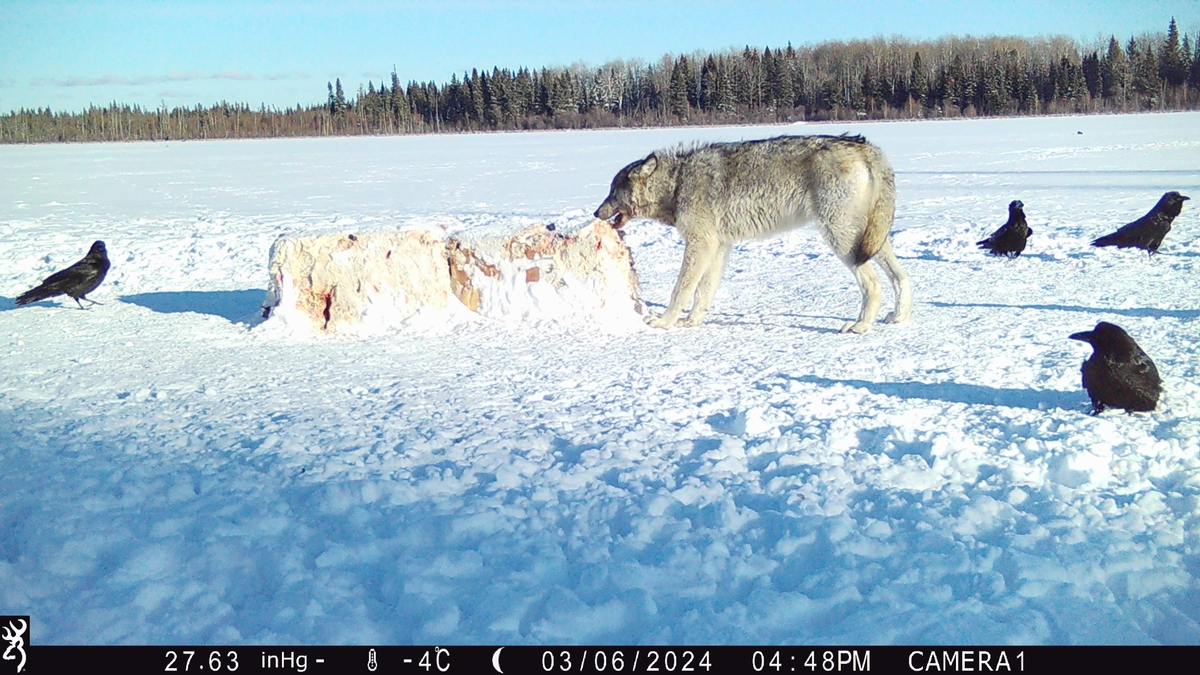
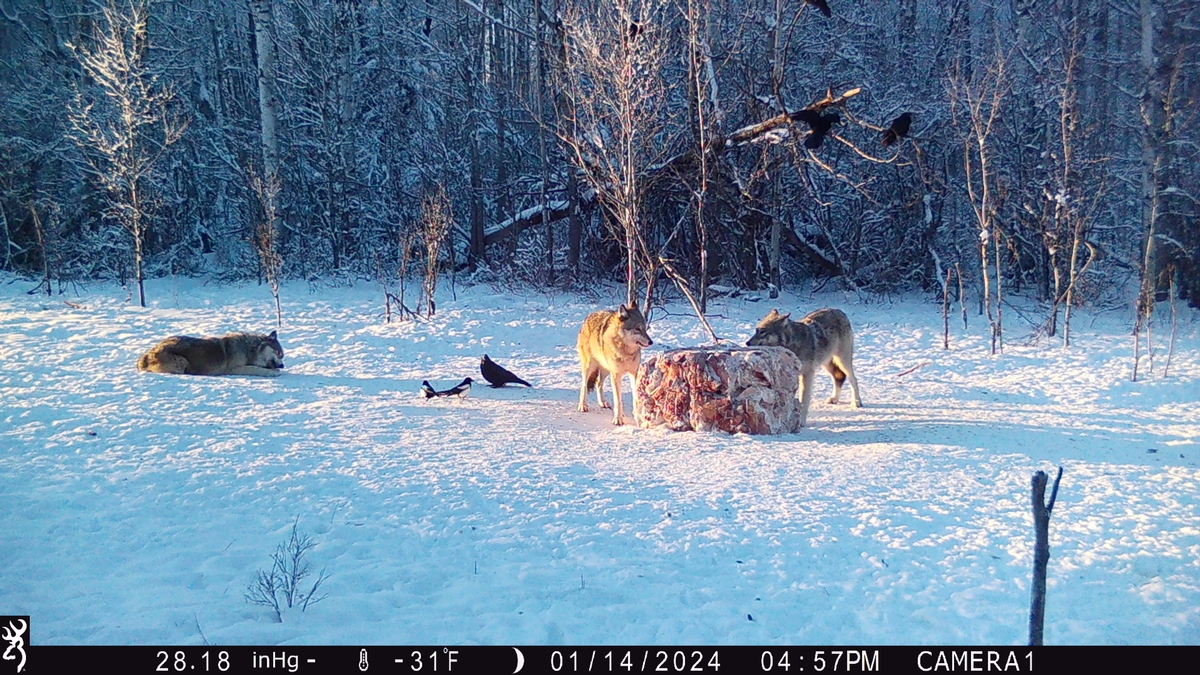
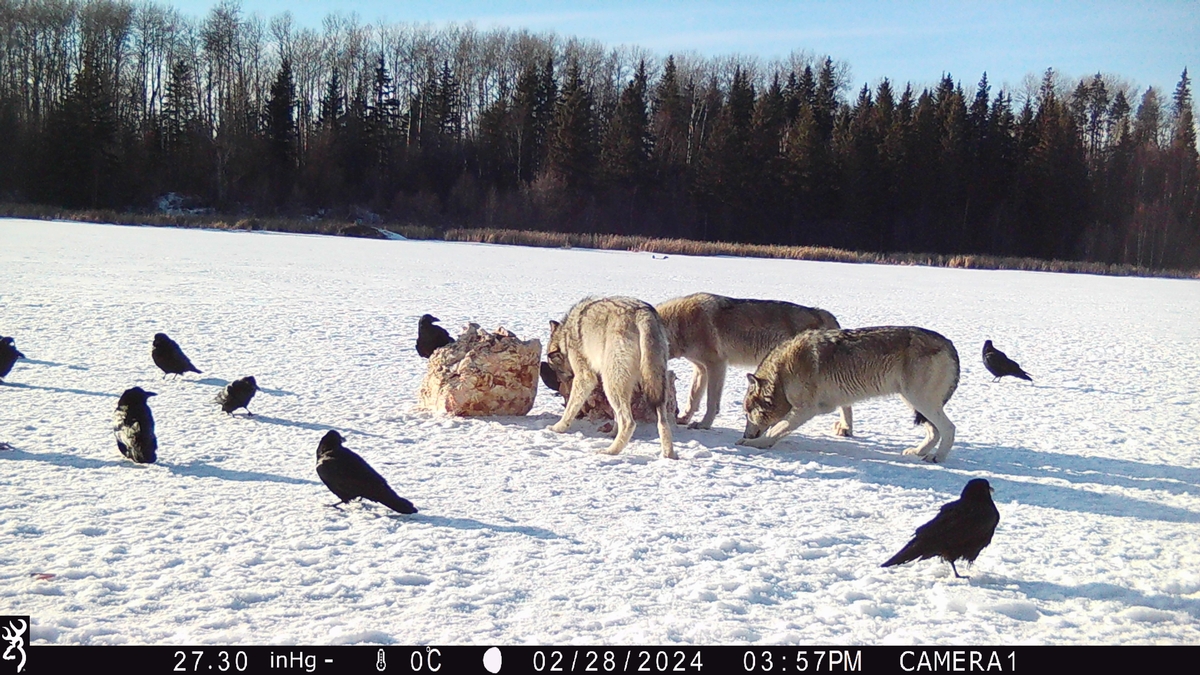
These hunts are conducted during the winter months over established bait sites where wolves regularly travel and feed. This allows hunters the opportunity to watch wolves naturally approach while waiting for the right moment.
For hunters searching for a genuine wolf hunting experience in Canada with experienced guides and proven areas, northern Alberta remains one of the best places in North America to pursue these remarkable predators.

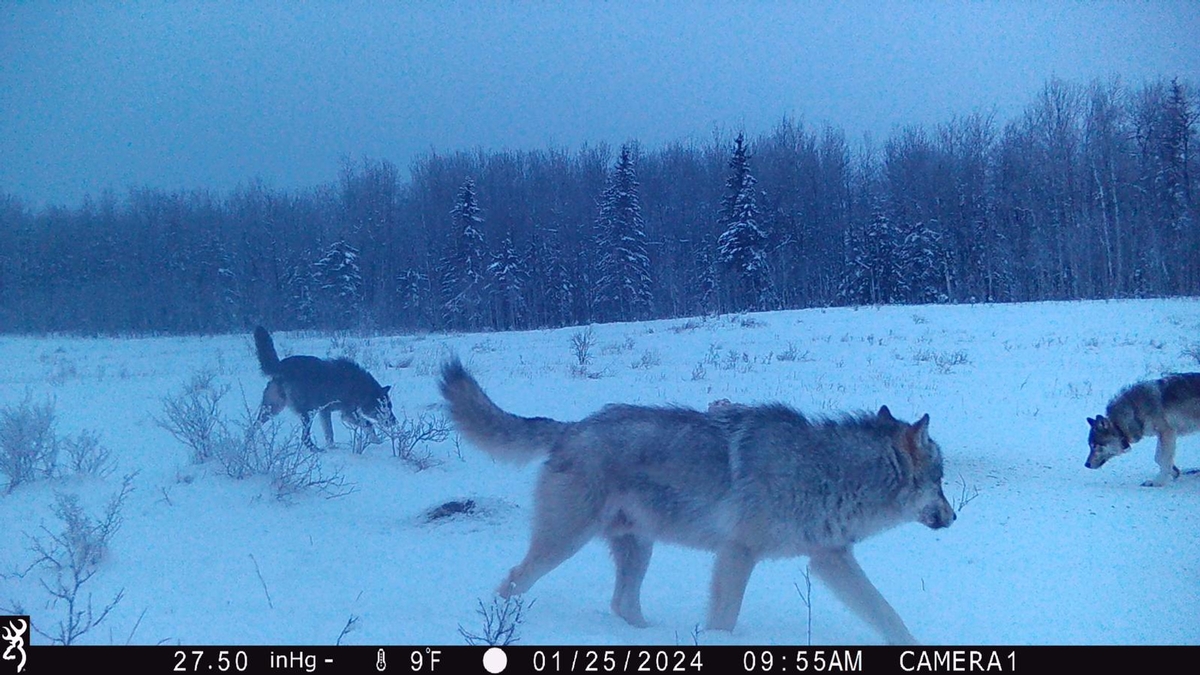
Our area is in the northern Peace River region of Alberta. Where the farmland meets the forest fringe mixed with giant river valleys and drainages that make for game-rich environments, this provides an excellent home for the largest wolves Canada has to offer. Wolf populations in Northern Alberta are among the highest populations in North America, with populations estimated in the thousands. Alberta is home to one of the largest oil sands in Canada which has made access to the remote north much simpler than other areas. In just minutes off the beaten path, you can find yourself in some of the most remote areas these big Alberta wolves live in.

Our wolf hunts are conducted over established bait sites from strategically placed heated blinds. These locations are set in areas where wolves regularly travel and return throughout the winter, allowing hunters the opportunity to intercept them as they come into the bait.
A typical day begins with a short walk to the blind before settling in for the sit. Once in position, the hunt becomes a waiting game that requires patience and discipline. Wolves are extremely cautious animals and rarely approach carelessly. It is common for them to study the area, circle downwind, or hold back in the timber before committing to the bait.
Because of this behavior, long quiet sits are often necessary. Hunters should expect to spend extended hours in the blind watching the bait site and surrounding area. While the blinds are heated and comfortable, remaining still and patient is an important part of being successful on a wolf hunt. Wolves do not give up opportunities easily. Many times they will appear suddenly and briefly, which means hunters must stay alert and ready throughout the day. Those who are prepared for long sits and remain focused are often rewarded with the chance to harvest one of North America’s most respected predators.
Wolf hunting requires patience, but when a wolf finally steps into the clearing, the experience makes every hour on stand worthwhile.

Patience is essential when hunting wolves. These animals are extremely cautious and rarely approach a bait site quickly. Hunters should be mentally prepared for long, quiet sits in the blind while waiting for the right opportunity. While our hunts are conducted from heated blinds, winter conditions in northern Canada can still be demanding. Temperatures throughout the season can range from around 40°F to as cold as -35°F, with an average near -10°F during the winter months.
Hunters who follow the guidance and instruction of experienced guides typically see the best results. Over the years our system of properly managed bait sites and careful hunting pressure has produced success rates around 75%. Weather patterns can influence wolf movement from year to year, but we make every effort to ensure bait locations are active and unpressured before each hunter arrives.
We go the extra mile preparing these hunts, and we expect our hunters to do the same by remaining patient, disciplined, and focused while on stand.
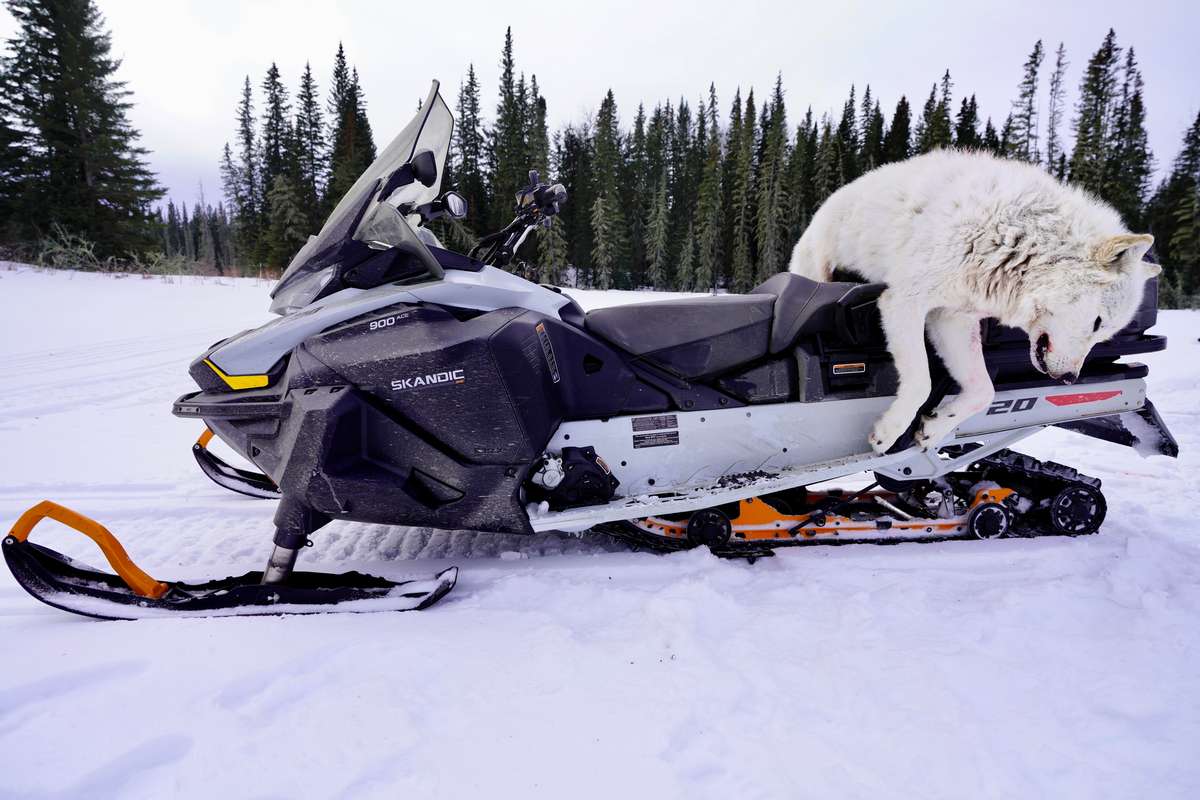
When traveling here, your destination is the Grande Prairie Airport. All clientele will need to fly in the day before, preferably in the morning, to allow us to shoot rifles and get settled in camp. All transportation to, and from Grande Prairie is your responsibility; the hunting area is approximately 2 hours north of Grande Prairie Airport.

All of our wolf hunts are a minimum of 8 full hunting days. Longer trips can be booked upon request. Clients can expect to fly into Grande Prairie the day before the hunt and depart the day after the hunt ends.
All Wolf hunts are 8 full hunting days.
1x1 Guided Wolf hunt - $15,000.00 + GST(5%)
2x1 Guided Wolf hunts are 10,000.00 + GST(5%) Per Person.
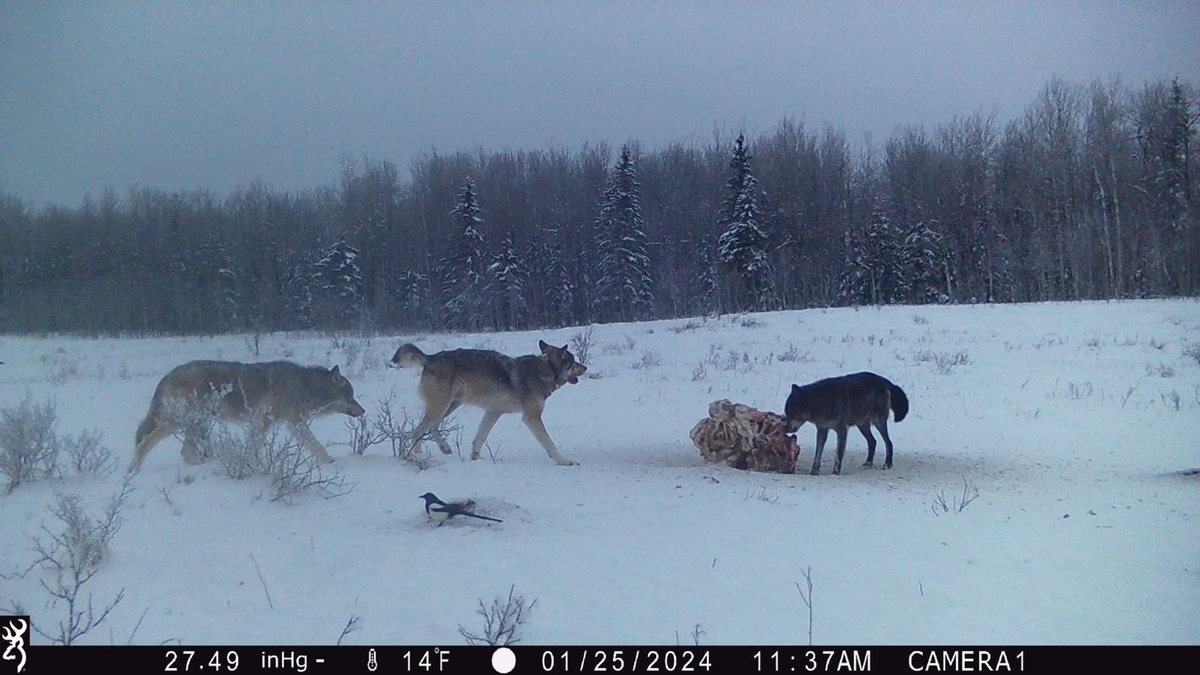
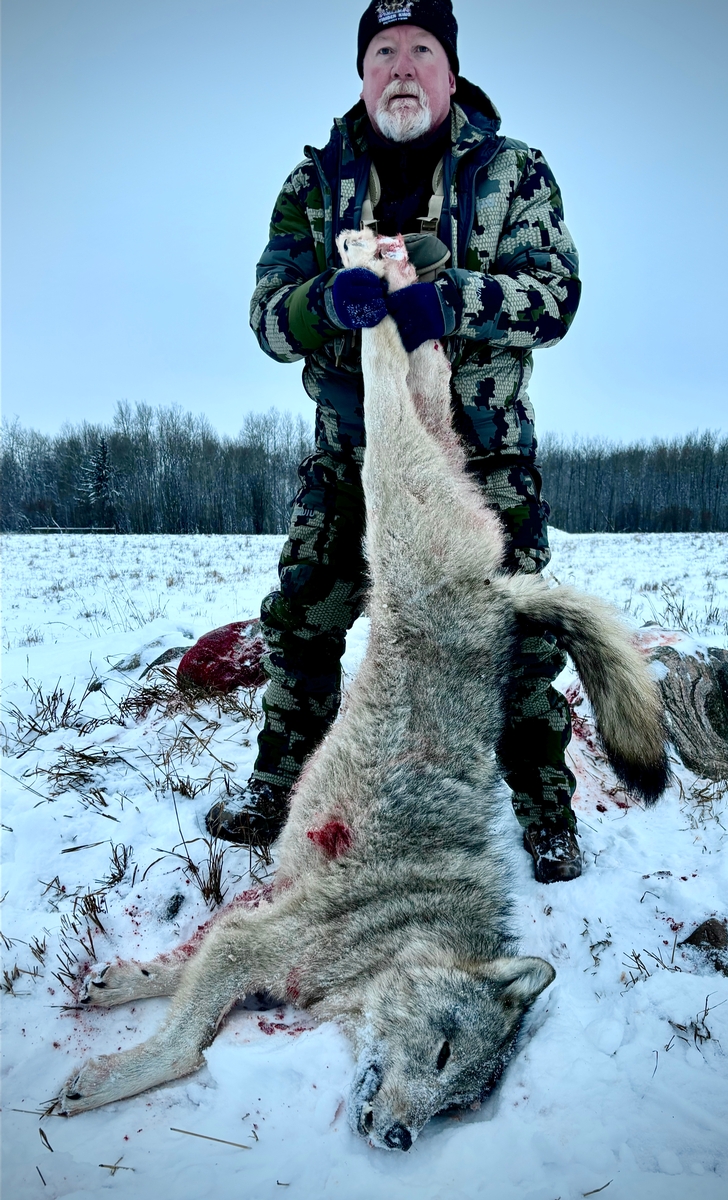
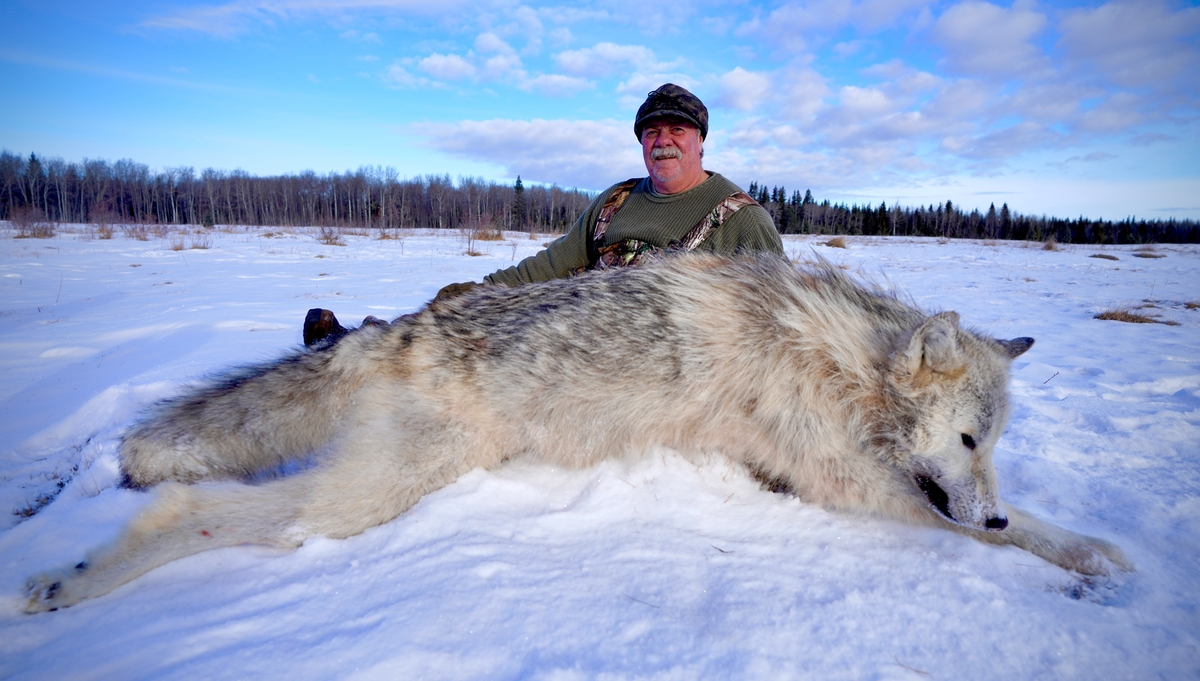
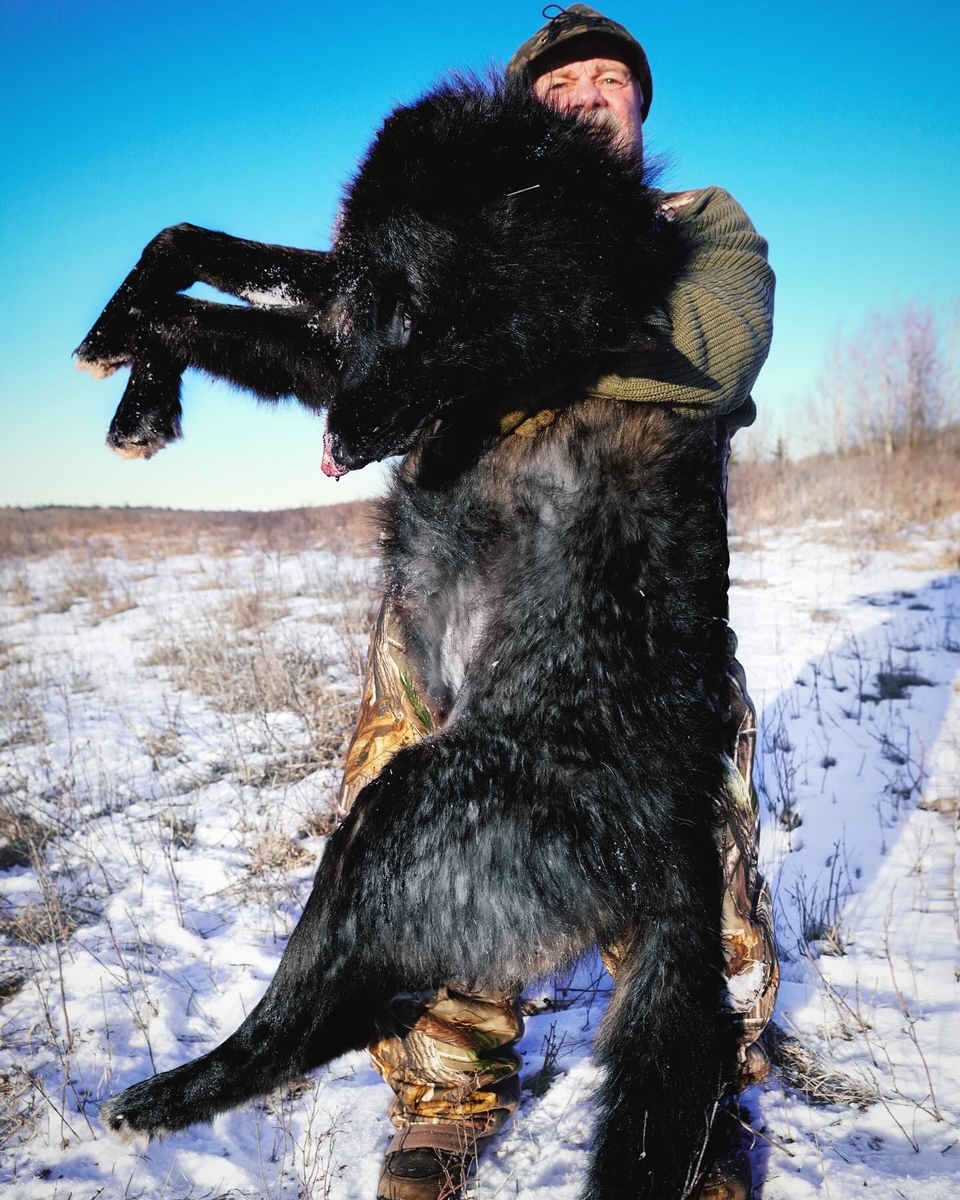
Wolf Gallery